Can I find the right product?
Categories, filters, search, collections, occasions, and merchandising should match how customers shop—not only how inventory is stored.
Ecommerce Web Design
Custom ecommerce experiences for product brands, makers, food businesses, configurable products, and growing online sellers across the United States. We connect brand, discovery, product education, purchase confidence, and fulfillment reality instead of treating the store like a grid of items.
The purchase decision
Customers need to discover the right product, understand what makes it different, trust the purchase, and know what happens after checkout. Every unnecessary question becomes friction.
Categories, filters, search, collections, occasions, and merchandising should match how customers shop—not only how inventory is stored.
Photography, options, ingredients or materials, sizing, availability, shipping, returns, and social proof reduce uncertainty at the product page.
Cart, checkout, payment, pickup or delivery, account, and confirmation flows should remain clear across devices and product configurations.
Ecommerce search structure
A durable ecommerce foundation connects category demand, useful product detail, crawlable navigation, structured data, performance, inventory reality, and editorial content. It also controls duplicate and faceted URLs instead of letting the catalog create index clutter.
Build useful routes around genuine product groups, buying occasions, and customer language without manufacturing thin category variations.
Use original descriptions, imagery, attributes, availability, policies, and valid product data so each important item can be understood and compared.
Manage canonicals, filters, pagination, retired products, redirects, sitemaps, and structured data in a way that matches the platform and inventory lifecycle.
Connect entry pages and campaigns with product views, cart activity, checkout, purchase, repeat orders, and margin-aware business reporting.
Real ecommerce work
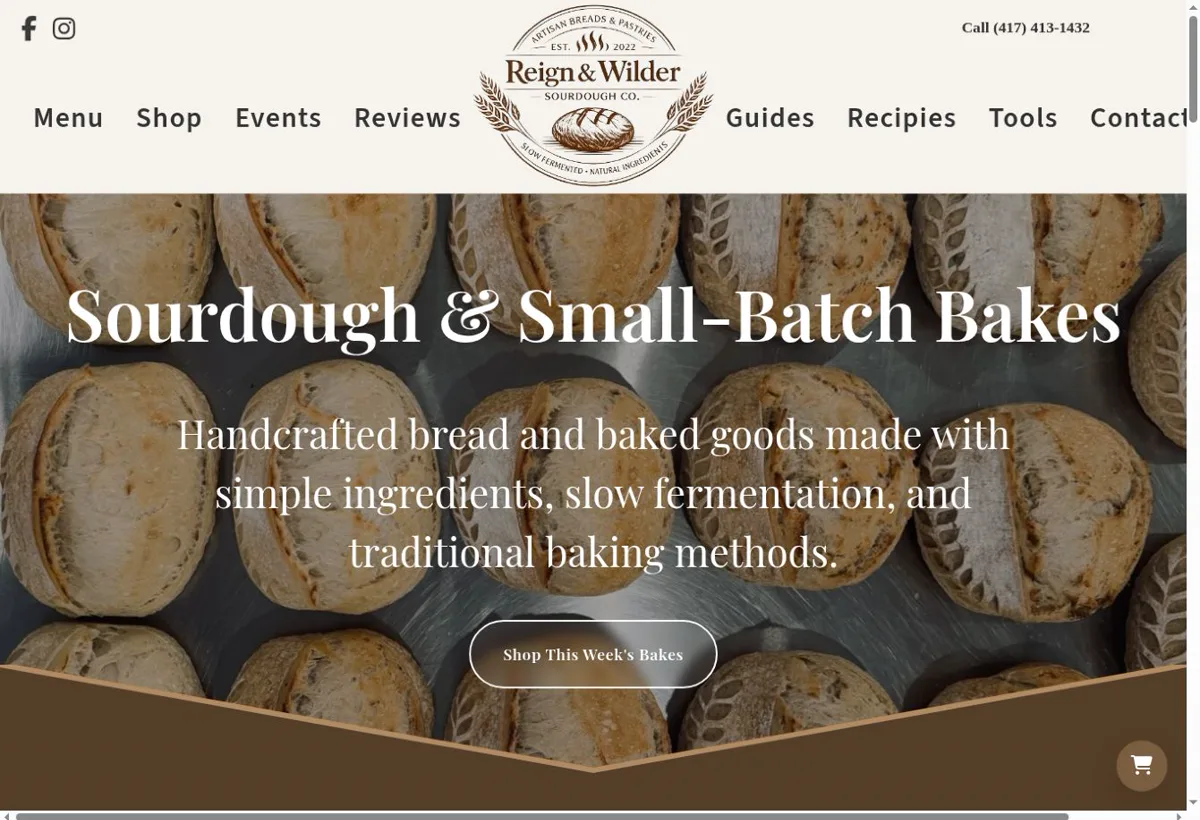
The published Reign & Wilder site brings together a warm bakery brand, weekly product discovery, a configurable cake-pop builder, and real-world event information instead of presenting ecommerce as a detached store template.
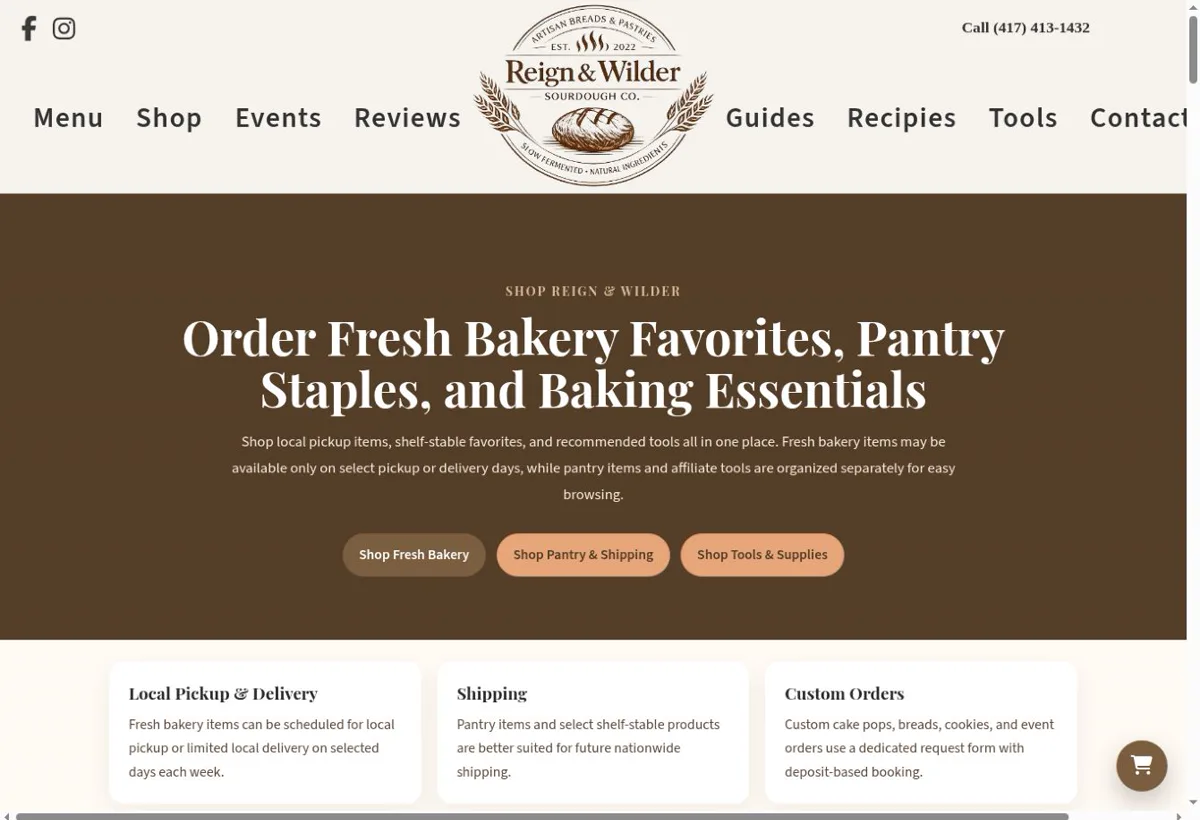
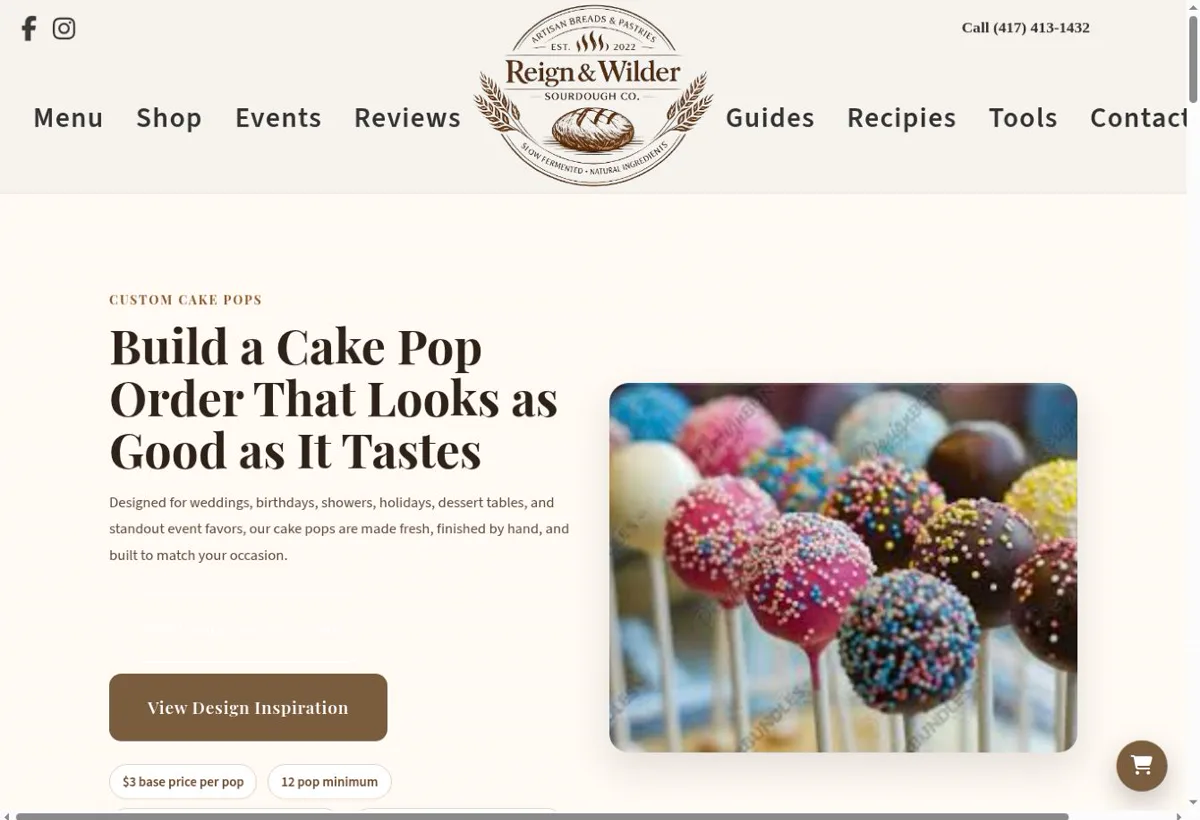
Published Reign & Wilder website captures are shown as design and capability proof. No traffic, ranking, conversion, order, or revenue result is implied.
Read the clearly labeled project studies ↗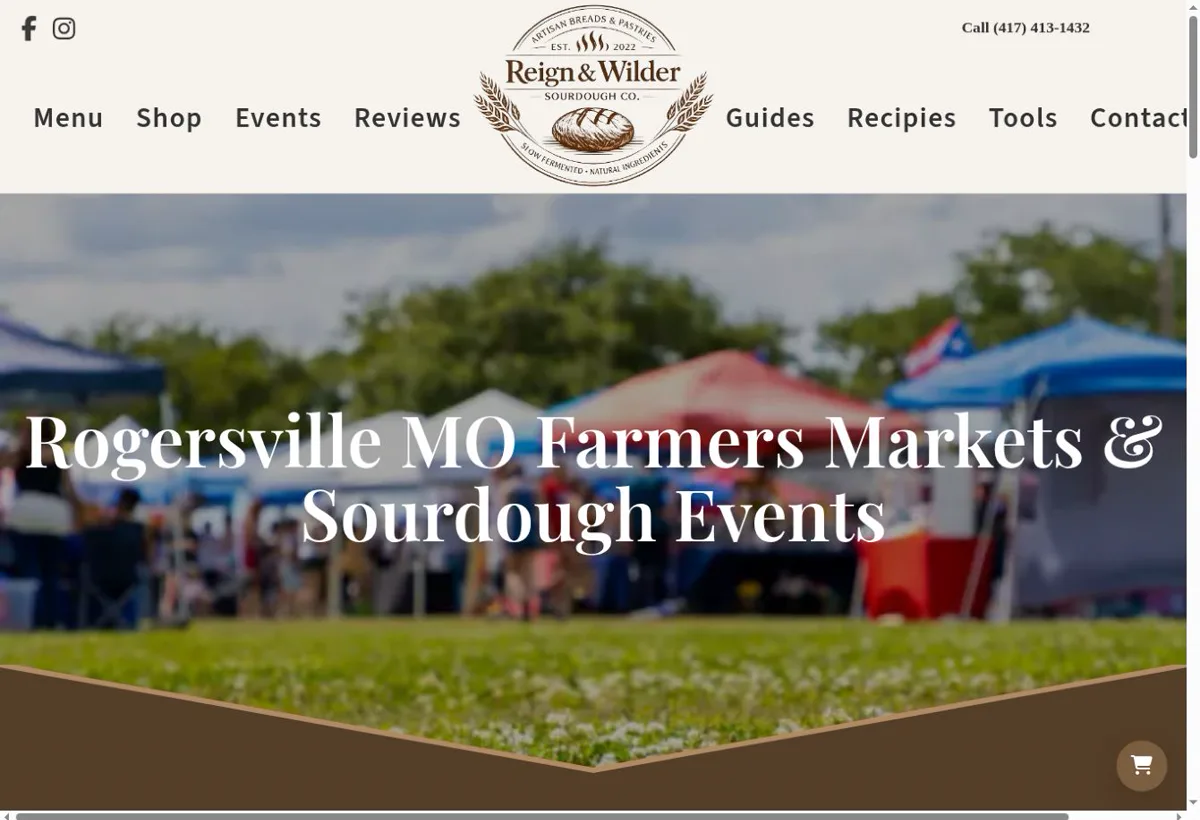
Online and real-world commerce
Ecommerce may include shipping, local pickup, weekly availability, events, custom orders, subscriptions, wholesale, or a mix. The website should explain those choices clearly and connect them to the systems the team can reliably operate.
What a project can include
The scope follows catalog size, product complexity, content, platform, fulfillment, integrations, migration needs, and the team's ability to maintain the store.
A strong fit
This approach fits makers, specialty food brands, configurable products, small catalogs with a strong story, and growing sellers that need the store to support a real operating model. Product, pricing, inventory, shipping, tax, and policy information remain the merchant's responsibility.
Questions before you start
Yes. Products, collections, customer and order constraints, URLs, redirects, analytics, apps, integrations, and search value should be inventoried before migration. The exact path depends on the current and future platforms.
Yes. Options, conditional choices, previews, price changes, production limits, uploads, and fulfillment details can be designed into a guided builder when the business rules are clear.
Yes. Those options can coexist when inventory, availability, cutoff times, locations, fees, and customer communication are planned carefully.
Useful category structure, complete original product information, technical index control, structured data, internal links, performance, authority, and a strong customer experience all matter. Rankings and revenue are never guaranteed.
Yes, based on platform support and scope. Each integration is reviewed for data ownership, fees, failure behavior, maintenance, security, and the team's actual workflow.
Built around the real business
Start with a guided website plan, or send the current site for a practical review of its design, search foundation, and customer path.